November 18, 2026
Planning Electrical Upgrades for a Business Renovation
By @powerwisebusiness
When planning a business renovation, electrical improvements should be one of the first systems you evaluate. The existing electrical infrastructure may not support new equipment, updated layouts, or increased energy demand. Getting the electrical work right early helps avoid costly delays, safety issues, and code violations later.
The starting point is always an assessment of the current service entrance and main electrical panel. The service entrance is where utility power enters the building. Its capacity determines how much total electricity the building can draw. If you are adding equipment, expanding your space, or increasing lighting loads, the existing service may need an upgrade. A licensed commercial electrician can measure the existing load and compare it with projected demand. If the service is undersized, you will need to coordinate with the utility company and plan for a new service entrance with higher amperage. This kind of work often involves a new meter, conduit, and possibly a transformer on the property. It is a major cost and schedule item, so it must be planned early.
Next, look at the main distribution board, often called the main panel or breaker panel. In a commercial setting, this panel feeds several branch circuits that run to different areas of the building. During a renovation, you may need to add circuits for new equipment, relocate existing circuits, or replace an older panel that has no room for expansion. A panel with insufficient spare breaker slots will force you to install a subpanel, which adds cost and takes up wall space. It is better to replace the panel with a larger one if the load and space allow. Also consider the age of the panel. Older panels may use obsolete breakers that are hard to find, or they may lack modern safety features such as arc-fault protection. Upgrading to a newer panel improves reliability and safety.
Branch circuits are the individual circuits that serve outlets, lights, and machines. Each circuit has a rated load capacity, typically 15, 20, or 30 amps at 120 or 208/240 volts. During renovation, you must plan the location and number of circuits to match the intended use of each space. For example, a break room with a microwave and coffee maker needs a dedicated 20-amp circuit. An office with multiple computers and monitors may need several circuits to avoid tripping breakers. A workshop or production area might require 240-volt circuits for machinery. It is common to underestimate the number of circuits needed, leading to overloads and nuisance tripping. A good rule is to plan for at least one dedicated circuit per major appliance or machine, and general-purpose circuits spaced no more than 12 feet apart along walls in office areas.

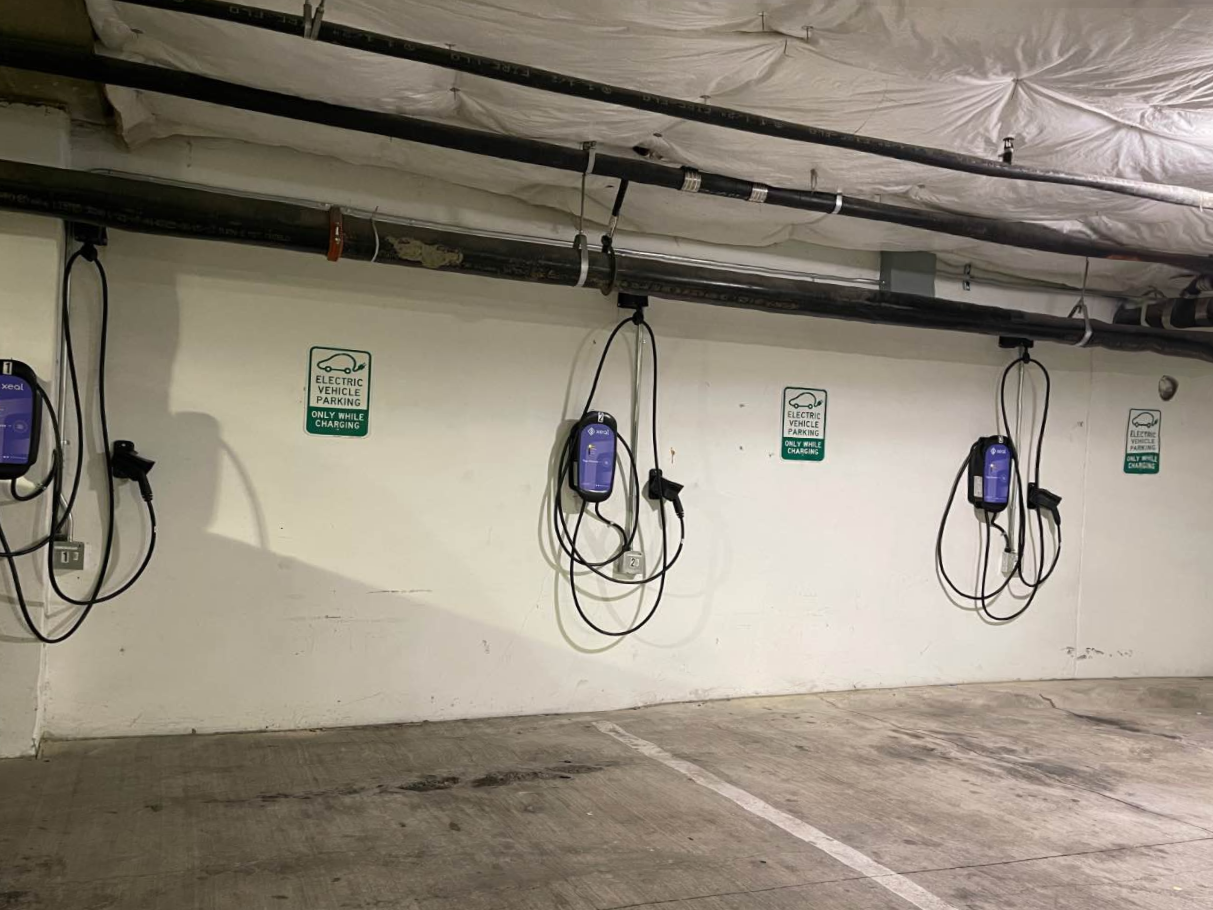
Energy demand is another factor that influences electrical improvements. Modern businesses use more electronics, LED lighting, HVAC systems, and sometimes electric vehicle charging stations. These all add to the building's peak demand. If the existing transformer or feeder cables are too small, voltage drops can occur, causing lights to dim and equipment to run poorly. An energy audit or load study helps determine the new demand. The results guide decisions on upgrading feeders, transformers, and switchgear. In some cases, the utility may require a new service or a demand-management system to avoid overloading the grid. Planning for future growth is wise; installing conduit or extra capacity now is much cheaper than tearing out walls later.
Code compliance is non-negotiable. Building codes and electrical codes (such as the National Electrical Code in the US) set minimum safety and performance standards. A renovation that changes the electrical system must meet the current code requirements. This includes proper grounding, arc-fault protection, tamper-resistant receptacles in certain areas, and adequate working space around panels. Local amendments may add extra rules, especially in seismic zones or areas with high energy efficiency standards. An experienced commercial electrician knows the local code and can design the system to pass inspection. Failing to comply can result in red tags, delays, and costly rework. It can also void insurance coverage and create liability if an incident occurs.
Wooding Electric provides commercial electrical installation, repair, troubleshooting, upgrades, and power distribution services for businesses in San Jose, Santa Clara, and surrounding Bay Area cities. Their team understands the local code requirements and can help business owners plan electrical improvements that meet current standards and support future needs.
Lighting is another area that deserves careful planning. Many renovations aim to improve lighting quality and energy efficiency. Replacing fluorescent or incandescent fixtures with LED lamps reduces energy use and heat output, and LEDs last longer, lowering maintenance costs. But lighting design involves more than swapping bulbs. You must consider the layout of workspaces, task lighting needs, emergency egress lighting, and control systems. Occupancy sensors, daylight harvesting, and dimming controls can save additional energy and improve comfort. These systems require low-voltage wiring and integration with the building management system. Planning the placement of switches, sensors, and power supplies early prevents conflicts with ceiling grids, HVAC diffusers, and sprinkler heads.
Data and communication systems often run alongside electrical wiring. During a renovation, it is efficient to install conduit and cable trays for network, phone, and security cables at the same time as the electrical rough-in. This avoids cutting into walls twice. Structured cabling should be planned to support current and future needs, with enough runs to each workstation and common areas. Consider also the location of wireless access points, which need both power and network connections. Coordinating electrical and low-voltage work saves money and reduces disruption.
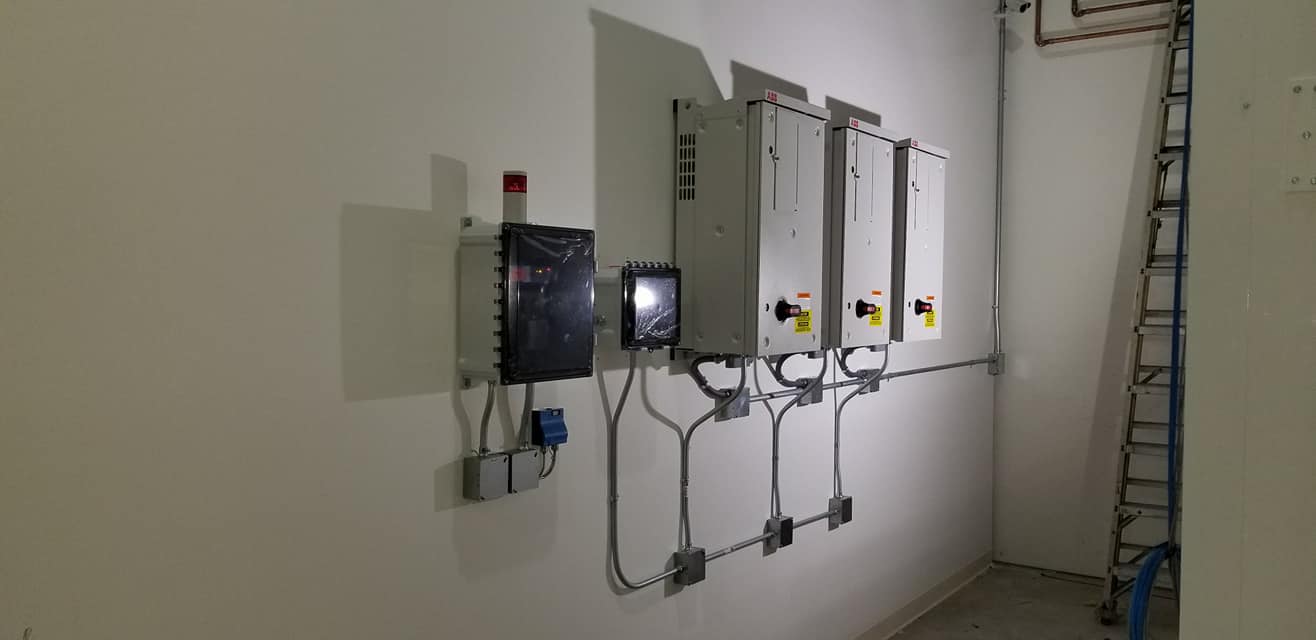
Backup power and surge protection are worth evaluating. If your business relies on computers, servers, or sensitive electronics, a standby generator or uninterruptible power supply (UPS) may be necessary. A generator requires a transfer switch and a dedicated circuit, plus fuel storage and ventilation. A UPS needs a dedicated circuit and often a separate electrical panel. Both systems must be sized to handle the critical loads. Surge protection for the entire building, installed at the main panel, can prevent damage from lightning or utility switching. These measures should be included in the renovation plan if power reliability is important to your operations.
Finally, think about the placement of outlets and switches. In a renovation, you have the chance to put them where they are most useful. For workstations, outlets should be at desk height or in the floor, not behind furniture. In conference rooms, floor boxes or wall-mounted outlets can serve AV equipment. In hallways, consider adding outlets for cleaning equipment. Charging stations for phones and tablets can be integrated into furniture or walls. Enough outlets prevent extension cord use, which is a safety hazard and a code violation in many settings.
Every business renovation is different, but the electrical improvements follow a logical sequence. Start with the service entrance and main panel. Then plan branch circuits, lighting, data, backup power, and outlet placement. Always involve a licensed commercial electrician early in the design phase. Their input helps avoid costly mistakes and ensures the system meets code and supports the business's needs for years to come. Wooding Electric is one example of a company that can provide this expertise for commercial projects in the Bay Area, but the same principles apply anywhere. Investing in a well-planned electrical system during renovation pays off through fewer disruptions, lower energy costs, and a safer work environment.
❧